CRM Demystified: A Complete Guide for Novices
In the current rapidly evolving business environment, comprehending your customers is more important than ever. This is wherein Customer Relationship Management tools, or CRM software, is essential. Intended to assist businesses handle their engagements and associations with prospective and existing customers, CRM software offer necessary tools that simplify processes and enhance productivity. For beginners, navigating the world of CRM can seem daunting, but with the appropriate guidance, it becomes significantly simpler to utilize its capabilities efficiently.
If you're a small business owner looking to boost customer interactions or part of a larger organization aiming to optimize sales and marketing approaches, CRM systems can be a transformative tool. This guide will break down the core concepts of CRM, describe its essential features, and provide insights on how to choose the best solution for your business needs. With the right CRM in place, you can build stronger customer relationships and drive ongoing growth.
What is CRM Software?
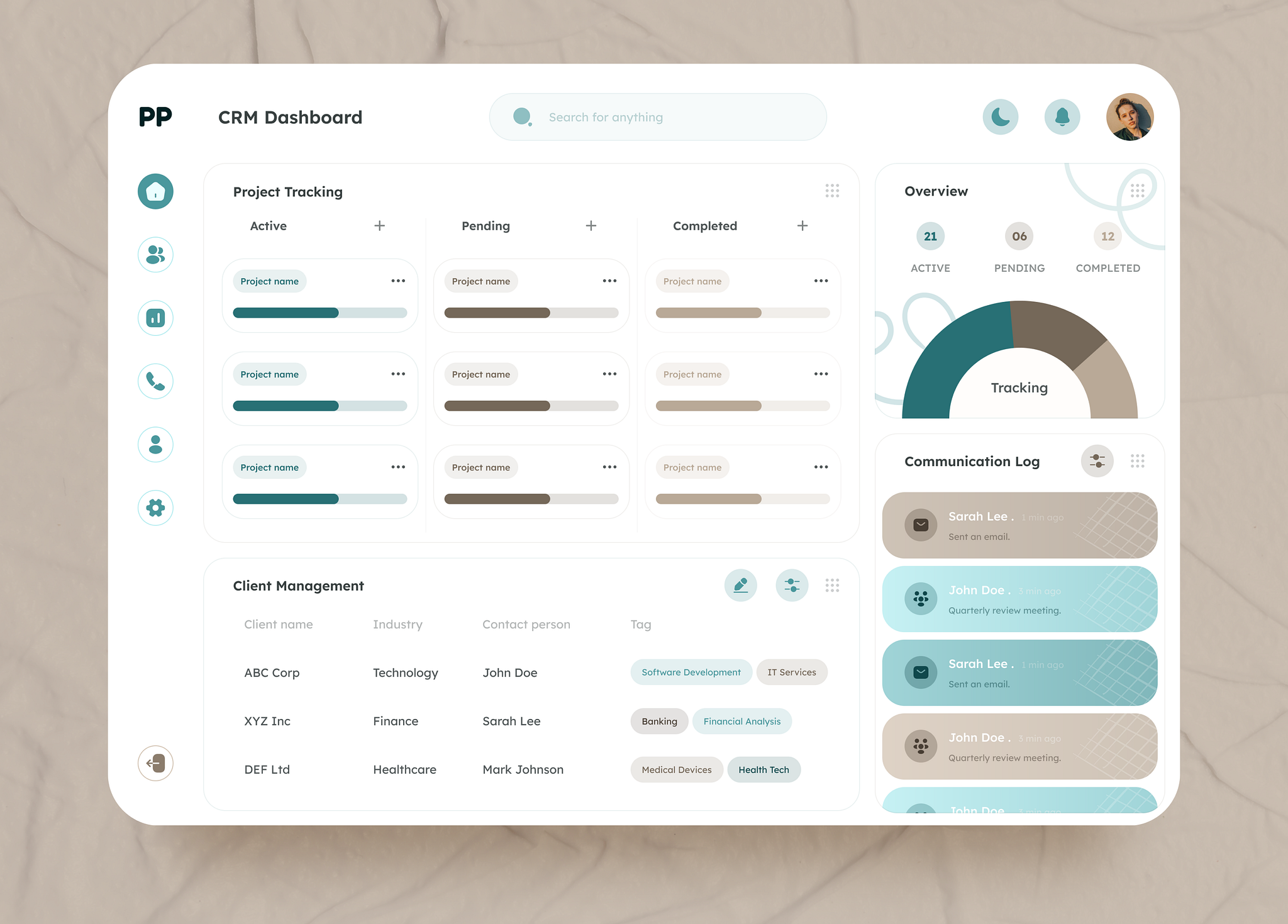
CRM systems, or Customer Relationship Management software, is a platform designed to help organizations organize their interactions with clients and prospective clients. It gathers customer details, enabling companies to track communications, sales, and service requests in one system. By using CRM software, organizations can improve their connections with users, simplify processes, and boost overall productivity.
At its core, CRM platforms is all about understanding customer needs and actions to promote better connection. It allows companies to accumulate and examine data from different touchpoints, providing insights that can guide marketing tactics, customer service enhancements, and business initiatives. This leads to more customized interactions and ultimately, enhanced customer retention.
In the modern competitive environment, CRM software is crucial for any business aiming to expand. Many providers offer adaptable solutions that fit diverse sizes and sectors, making it accessible for anyone from minor startups to huge enterprises. By adopting CRM solutions, companies can develop a more systematic approach to customer relations, ensuring they remain responsive and pertinent in a swiftly evolving market.
Key Features of CRM Systems
One of the features of CRM software is managing contacts. All in One CRM ZOHO allows businesses to organize and save information about their customers and leads in a single database. Users can quickly access contact details, interaction history, and preferences, allowing them to customize their communication and enhance customer relationships. This organized approach not only saves time but also ensures that important customer information is readily available to all team members.
An additional important feature is sales tracking and reporting. CRM systems offer tools to track the progress of sales activities from initial contact to finalizing a sale. Users can set sales goals, monitor individual and team performance, and generate reports that highlight trends and areas for improvement. This insight allows businesses to make informed decisions, enhance their sales strategies, and ultimately increase income.
Moreover, automation capabilities are a significant aspect of CRM software. Many systems include functions that automate repetitive tasks such as dispatching follow-up emails, scheduling appointments, and refreshing customer records. By streamlining these processes, businesses can boost efficiency and concentrate more on developing meaningful relationships with their customers. Automation also helps that no opportunities are missed, as reminders and prompts enable teams proactive in their outreach efforts.
Benefits of Using CRM
Adopting CRM software provides a wide range of gains for companies of all sizes. One of the main benefits is enhanced customer connections. By organizing customer information and engagement history, CRM allows businesses to grasp their customers more effectively and tailor their communications to meet their needs. This creates a more personalized experience, ultimately promoting loyalty and inspiring repeat transactions.
Another important advantage is enhanced efficiency in sales and marketing activities. CRM systems automate numerous tasks, such as tracking leads and follow-up alerts, which allows employees to concentrate on developing relationships rather than getting bogged down in paperwork. With optimized workflows and better teamwork among team members, companies can respond faster to customer inquiries and finalize transactions more efficiently.
In conclusion, CRM software provides robust data analysis and reporting capabilities that enable businesses make evidence-based decisions. By examining customer data and behavioral trends, companies can identify opportunities and possibilities for expansion. This understanding allows organizations to refine their tactics, better allocate resources, and ultimately boost their bottom line. Taking advantage of these analytical capabilities can transform the way companies approach interaction with customers and their business model.